Kyivan Rus´: A Trading State
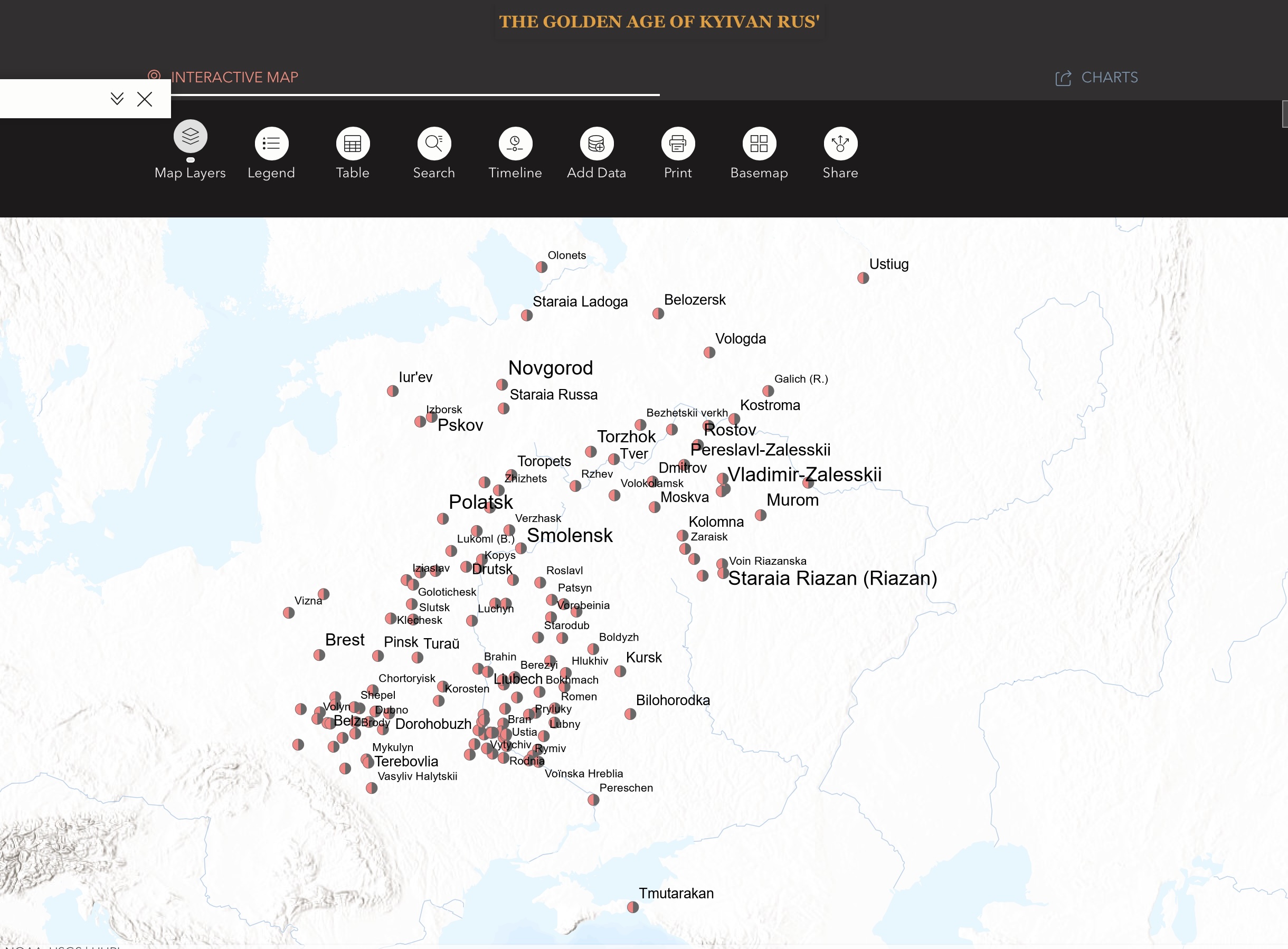
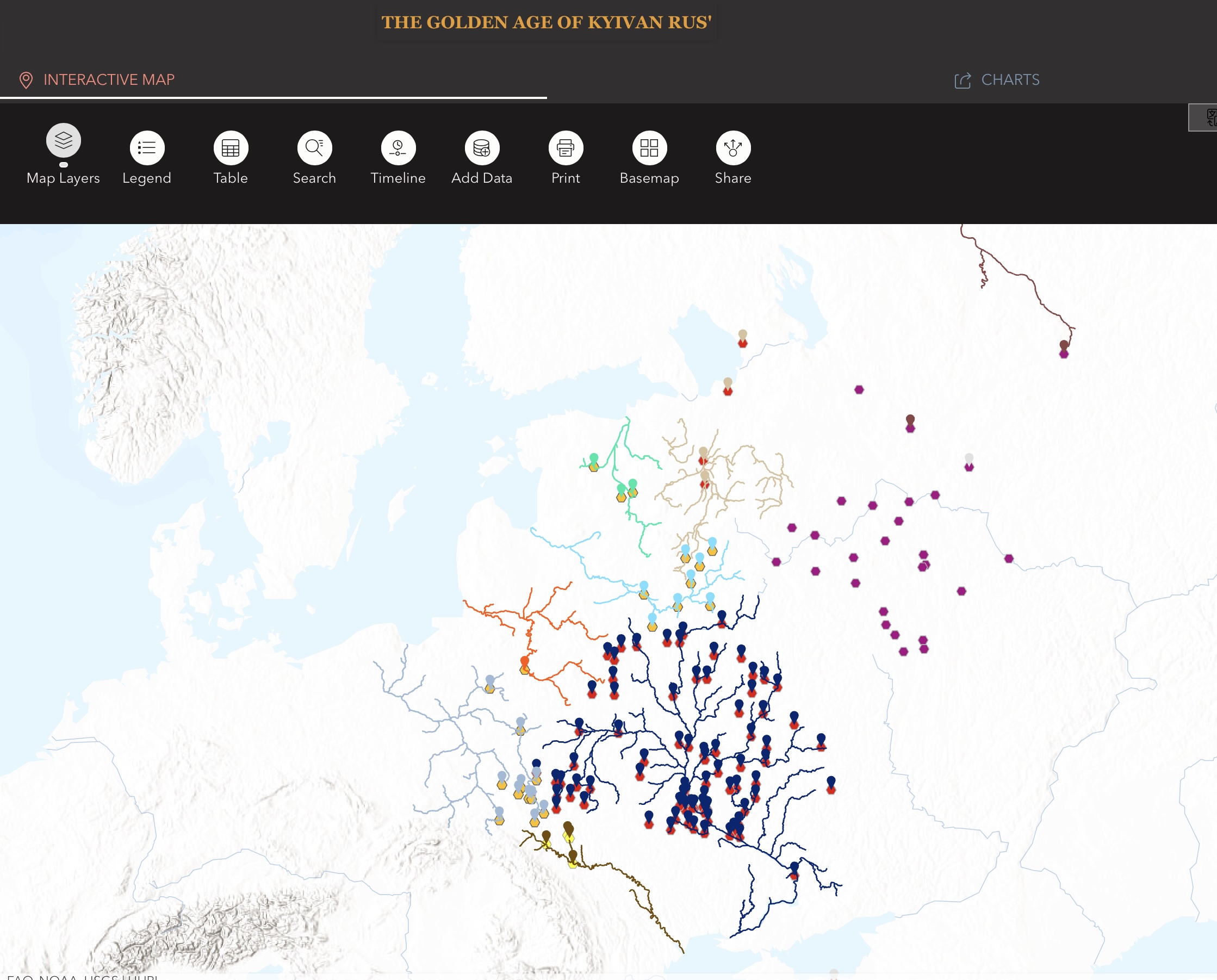
Kyivan Rus´ was one of the most successful trading states in the Eurasian Middle Ages. The Vikings that came to be known as Rhos in various sources arrived from Scandinavia, settling first near Staria Ladoga around the late eighth century, and gradually advanced southwards towards the Black Sea. They were traders and followed the river basins to try to reach international trade routes, whose expansion or decrease is often linked to economic and political events in Rus´ . The map of settlements (Figure 1.1) and basins (Figure 1.2) evidences this settlement pattern. They started to follow the river Dnipro to Byzantium in the south, and then moved to the West to reach the Amber Route and to the East following the Silk Routes towards Khazaria.
Trading was certainly the most relevant economic activity, and probably was the prime drive for the Norsemen to descend into the Byzantine Empire and reach Constantinople, but they were certainly not the only players in the area. Each of the ten lands or territories with its own capital was interconnected with one of more international trade routes (Figure 1.2). Any change in the inflows of trade in any of these routes had a domino effect on Rus´. The main fights with their neighbours and among Rus´ princes was largely for the control of the trade routes that were the base for their economy. The relevance of trade is also evident in the collections of birch-bark letters, found mainly in Novgorod and surrounding areas, and in the analysis of the first legal corpora.