Christianization
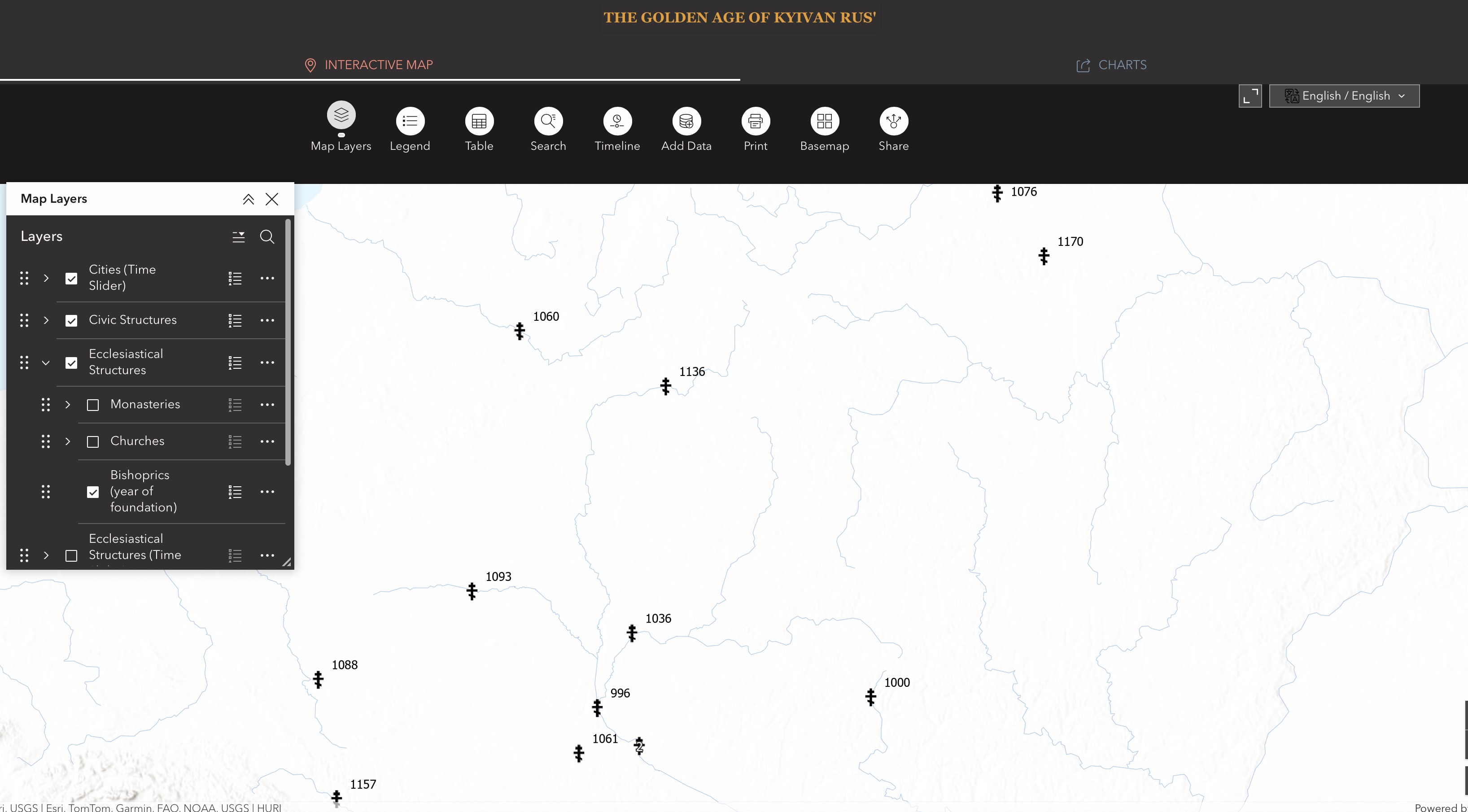
The marriage of Prince Volodymer to Anna Porphyrogeneta, sister of the Byzantine Emperors, in 988 marked the beginning of the Christianisation of Rus´. In order to organise the new Christian territory, and starting with the foundation of the Metropolinate in Kyiv, where the political power resided, bishoprics were established all over the land of Rus´ in the following decades (Figure 3.1).
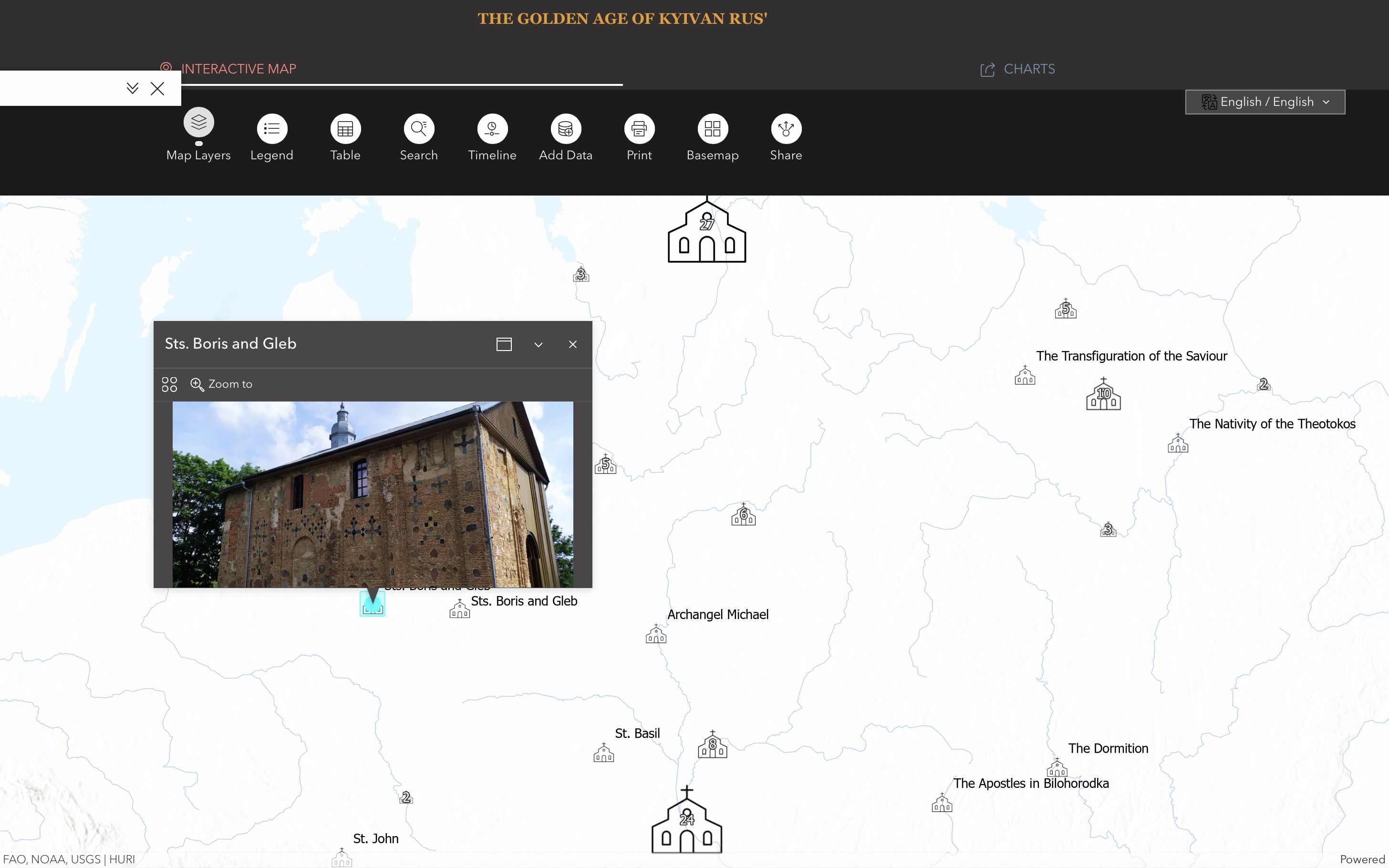
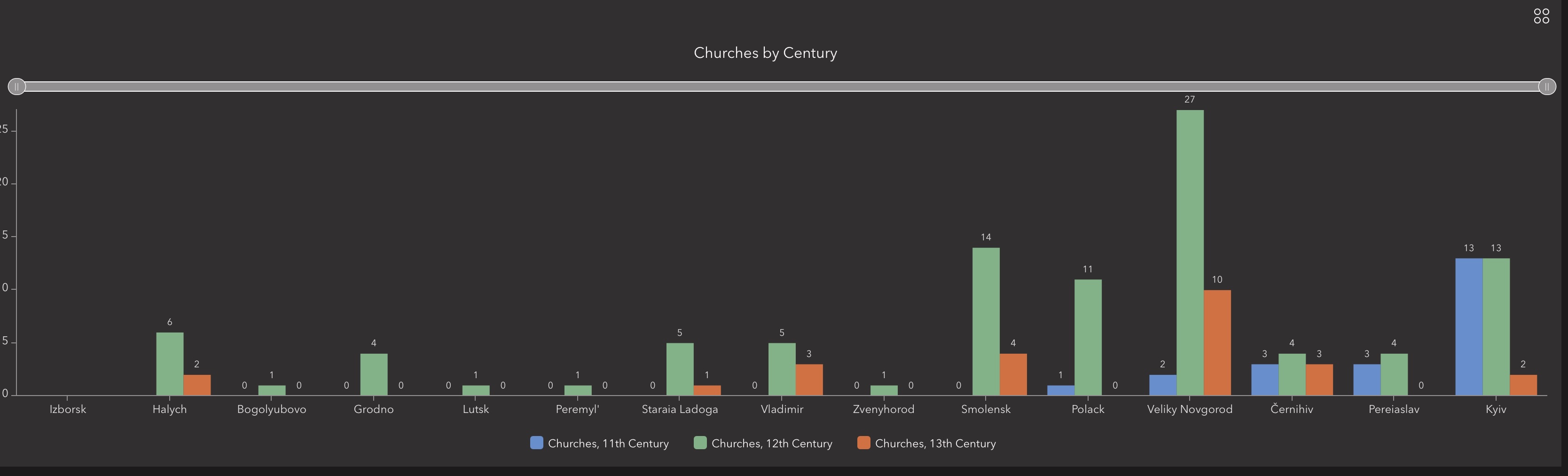
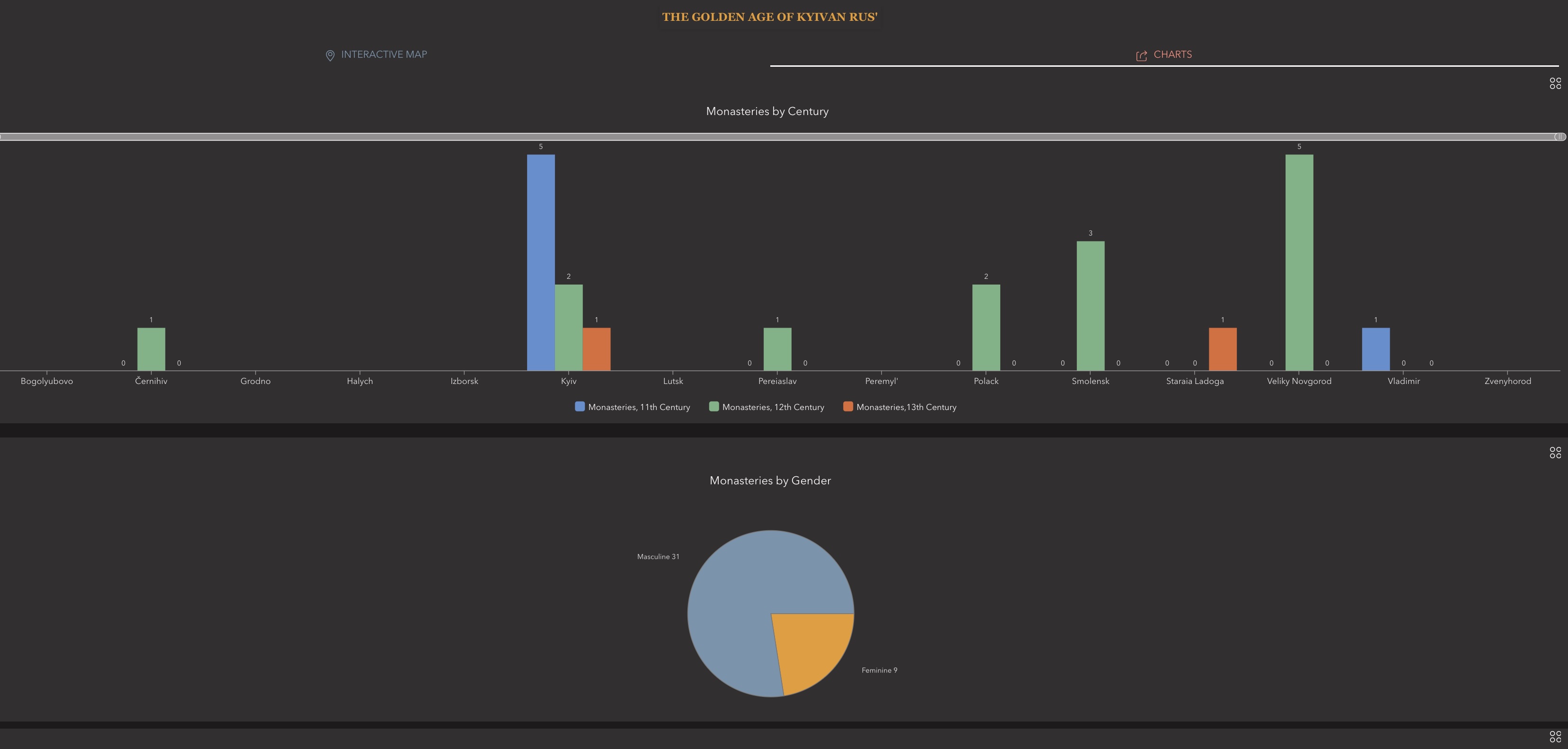
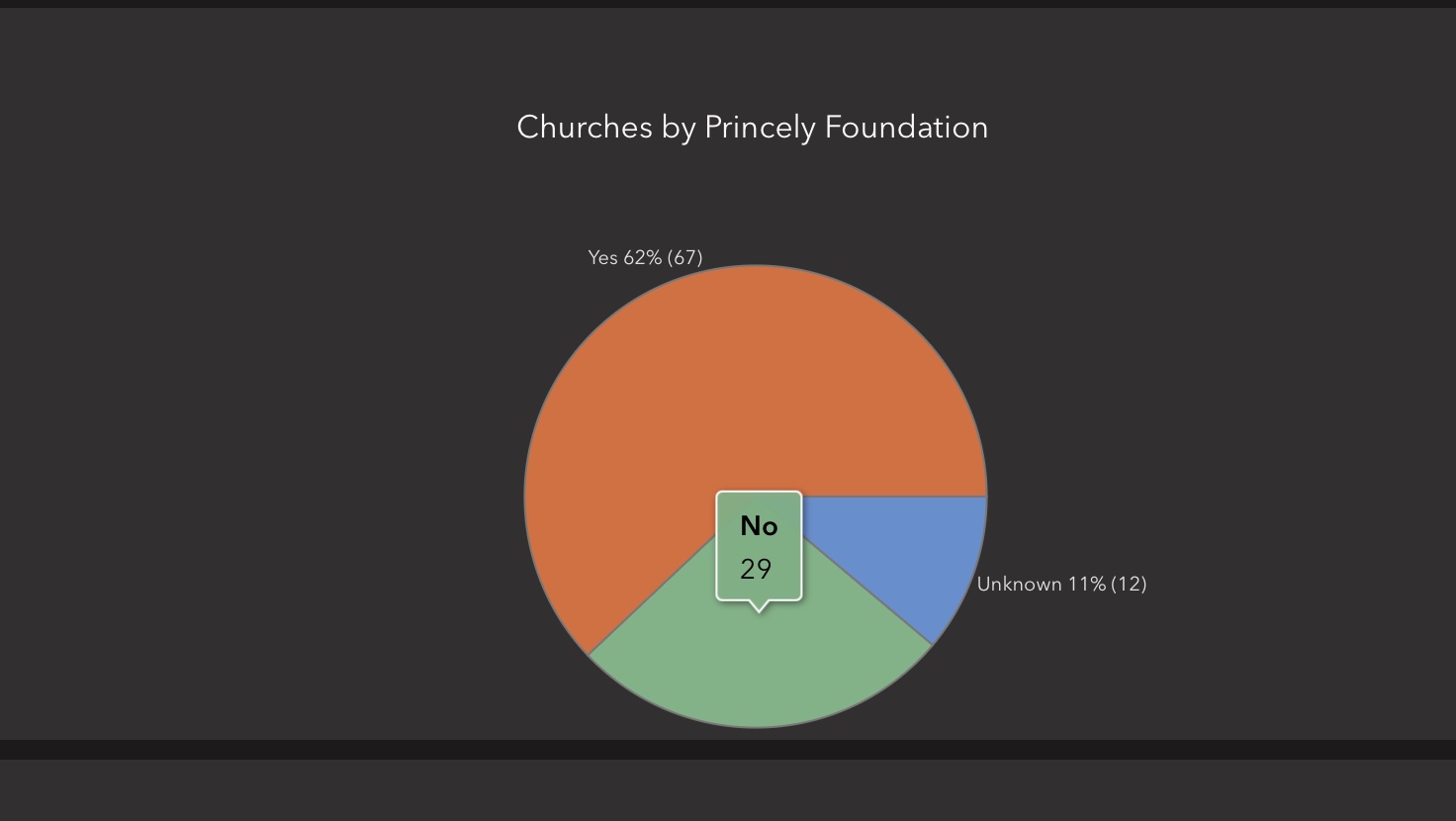
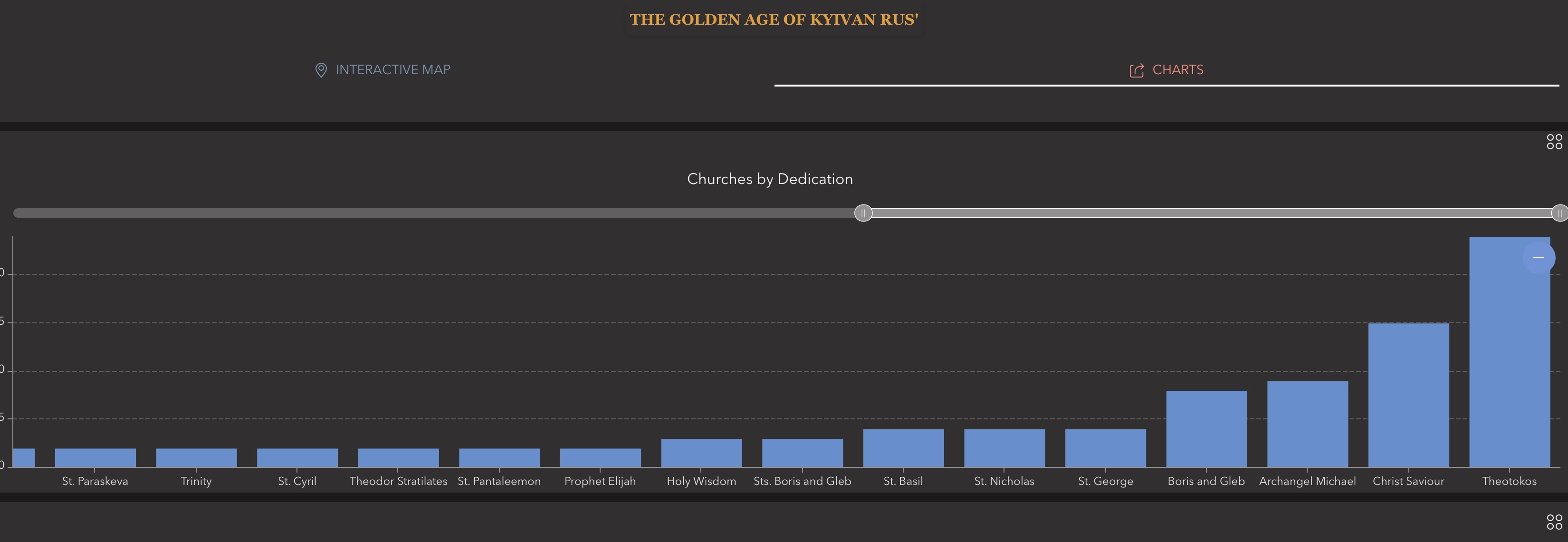
With the revenues obtained from trade, princes and members of the nobility started an exceptional building policy of churches and monasteries that would constitute the Golden Age of Kyivan Rus’ (Figure 3.2). More than a hundred stone churches and more than forty monasteries (at least nine of which were feminine) were built in two and a half centuries before the arrival of the Mongols (Figure 3.3 and 3.4). Although many churches were commissioned by members of princely families, a substantial amount were also commissioned by ecclesiastical authorities or even private people of means: the richness of trade contributed decisively to the embellishment of cities (Figure 3.5). Some women played a remarkable role in the foundation of religious buildings, such as Efrosina Sviatoslavovna of Polatsk (1104-1167/73) who endowed two churches and a feminine monastery in her land. While some churches were dedicated to local saints, such as Boris and Gleb, the Theotokos (the Mother of God) was clearly the most revered figure of the newly-Christianised polity (Figure 3.6).
By the time the combined forces of Rus´ armies were defeated by the Mongols in the Battle of the River Kalka in 1223, opening the door to the final capture of Kyiv in 1240, more than a hundred churches had been built in the land. Contrary to what was traditionally labelled in scholarly literature as the time of crisis or fragmentation in twelfth century Rus´, the data show a great increase in church-building in this century and not a sharp decline in the first four decades of the thirteenth century (the data represent the churches built only until 1240), and although the lands of Novgorod and Smolensk show a sharp increase in building activity in the twelfth century, Kyiv, still clearly the centre of political power, maintained a sustained activity throughout the period.